Understanding Minimalism
The concept of minimalism has evolved significantly over the years, emerging as a prominent design philosophy that emphasizes simplicity and functionality. Originating from various artistic movements, minimalism gained traction in the mid-20th century, particularly within architecture and interior design. It advocates for the elimination of excess and encourages individuals to focus on what is essential for their living spaces. This approach to design prioritizes clean lines, uncluttered environments, and the intentional selection of elements that bring joy and utility.
Central to the philosophy of minimalism is the belief that less is more. By reducing distractions and unnecessary possessions, individuals can create a serene atmosphere that promotes clarity and mindfulness. The core principles of minimalism revolve around simplicity, functionality, and the efficient use of space. Each piece of furniture or décor item in a minimalist home serves a purpose, ensuring that every element contributes to an overall sense of balance and harmony. This careful consideration fosters an environment that is both aesthetically pleasing and practical.
Moreover, embracing minimalist principles can yield significant emotional benefits. A minimalist environment has been shown to reduce stress and anxiety levels, providing individuals with a serene refuge from the demands of daily life. The clarity achieved through simplicity allows for better focus and decision-making, as the mind is not burdened by overwhelming visuals or clutter. Thus, individuals are encouraged to reflect on how adopting a minimalist mindset can enhance their living spaces, allowing for greater personal expression while cultivating a sense of peace and order within their homes.
Key Elements of Minimalist Home Décor
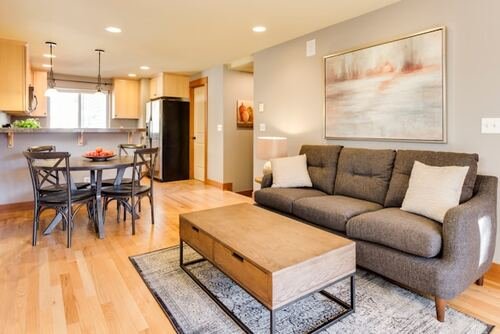
Minimalist home décor is characterized by a few essential components that work harmoniously to create a serene and inviting environment. One of the primary aspects of this aesthetic is the use of neutral color palettes. Shades such as whites, grays, and beiges provide a calm backdrop that promotes a sense of tranquility. This choice of color allows for flexibility in selecting decorative elements, ensuring they align with the overall simplicity of the space.
Natural materials play a pivotal role in minimalist design, contributing to a balanced and organic feel within the home. Materials such as wood, stone, and metal should be utilized thoughtfully to enhance warmth and texture while maintaining a clean and cohesive appearance. For instance, wooden furniture, with its natural grains and hues, can effortlessly complement the room’s neutral palette while also introducing tactile elements.
Decluttering is paramount in achieving a minimalist space. A well-organized environment not only appears larger but also allows for clear focus on the key elements within the room. The principle of “less is more” underscores the importance of choosing only necessary items, thereby eliminating distractions and fostering mindfulness in one’s living space. In line with this, selecting furniture that offers multi-functional purposes is essential. Pieces such as storage ottomans or extendable dining tables can maximize utility without compromising on style.
Additionally, when it comes to decorative items, it is crucial to choose wisely. Opting for a few high-quality pieces rather than an abundance of trinkets can enhance the aesthetic without overwhelming the senses. Each item should serve a purpose or evoke a positive emotion, contributing meaningfully to the overall ambiance of the home.
Creating a Minimalist Space: Practical Tips
Transforming your home into a minimalist space involves a thoughtful approach to decluttering and design. The primary objective is to create a serene environment that promotes functionality and tranquility. One effective strategy to begin this transition is the one-in-one-out rule, which stipulates that for every new item you acquire, you must part with an existing one. This practice not only curbs clutter but encourages mindful consumption, ensuring that each item in your home serves a purpose or brings you joy.
Developing a clear vision for your space is essential in minimalist design. Take the time to reflect on what elements you truly want in your home. Consider creating a mood board featuring colors, textures, and furniture styles that resonate with you. This visual guide helps maintain focus during the decorating process and informs your choices regarding which items to keep or discard.
Furniture arrangement plays a crucial role in a minimalist aesthetic, emphasizing open space and functionality. Aim to keep pathways clear and avoid overcrowding rooms with excessive furniture. Multi-functional pieces can be particularly advantageous; consider a coffee table that doubles as storage or a sofa bed for accommodating guests without sacrificing space. This approach not only enhances the aesthetic appeal but also supports an efficient living environment.
Additionally, lighting is a significant factor in minimalist home décor. Natural light is ideal for creating an open and inviting atmosphere, so maximize window space by opting for sheer curtains or no window treatments at all. In the absence of abundant natural light, strategically placed artificial lighting can mimic the warmth of daylight. Use floor lamps, sconces, and dimmable ceiling fixtures to create layers of light, allowing flexibility in ambiance while maintaining a cohesive minimalist look.
Sustaining Minimalism: Lifestyle Changes
Minimalism transcends mere home décor; it embodies a holistic approach to life. To cultivate a minimalist lifestyle, one must embrace habits that foster a mindset centered on simplicity and intentionality. This journey begins with reflecting on consumption patterns. By examining the motives behind purchases, individuals can distinguish between genuine needs and fleeting desires. A conscious evaluation of belongings can reveal excess and foster a deeper appreciation for simplicity.
Integrating minimalist principles into daily routines can significantly enhance overall well-being. For instance, one might adopt a systematic approach to decluttering, ensuring that only items of value and significance remain. This practice not only applies to physical possessions but also to digital spaces. Regularly curating digital content—such as emails, photos, and social media feeds—can lead to a more serene digital environment, making way for what truly matters.
Moreover, maintaining meaningful relationships is essential in a minimalist lifestyle. This involves prioritizing connections that nurture one’s values and well-being, aligning interactions with a commitment to sincerity and purpose. Engaging in deep conversations over superficial exchanges fosters a sense of community and support amid the simplicity. Alongside this, one might consider setting boundaries to protect time and energy, enabling a more focused and fulfilling daily experience. Minimizing distractions allows for greater awareness of the present moment, further reinforcing the minimalist mentality.
Ultimately, sustaining minimalism is an ongoing process that encourages intentional choices across various aspects of life. It challenges individuals to actively participate in shaping their environments while promoting contentment and balance. By committing to a lifestyle that embodies simplicity, one can achieve a state of well-being that resonates with personal values and aspirations.